A Visit to Volt Loudspeakers: British Engineering Up Close
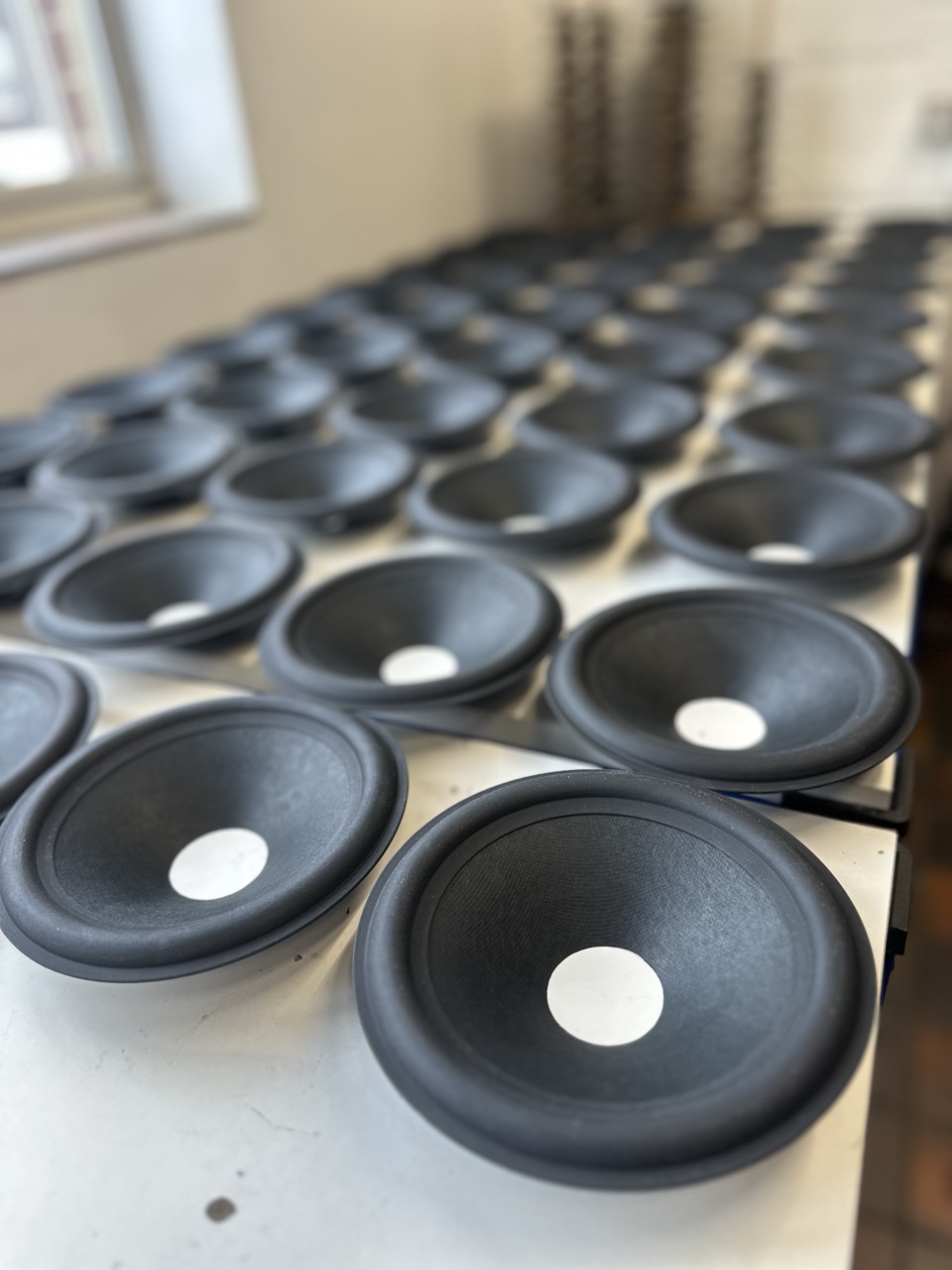
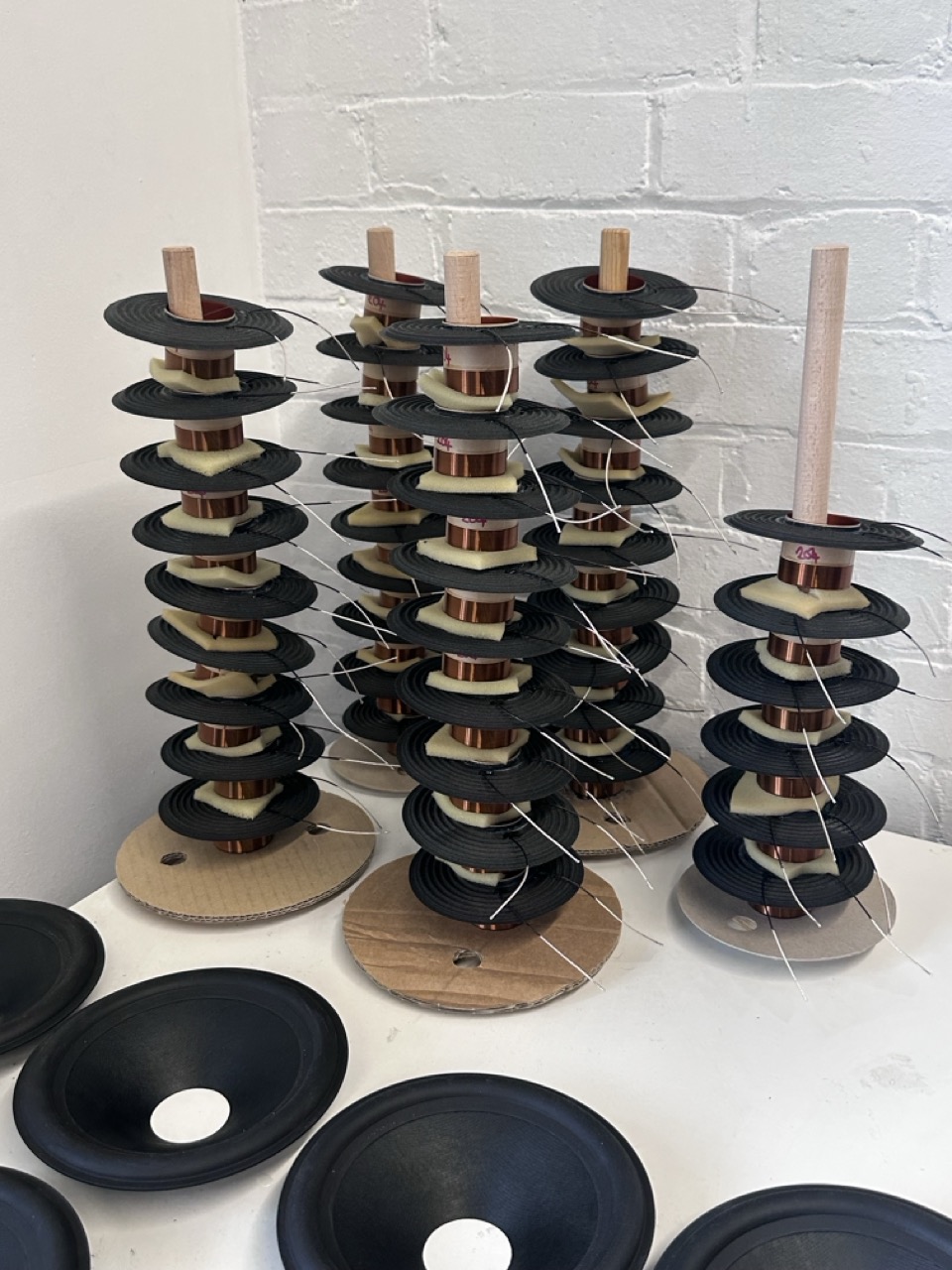
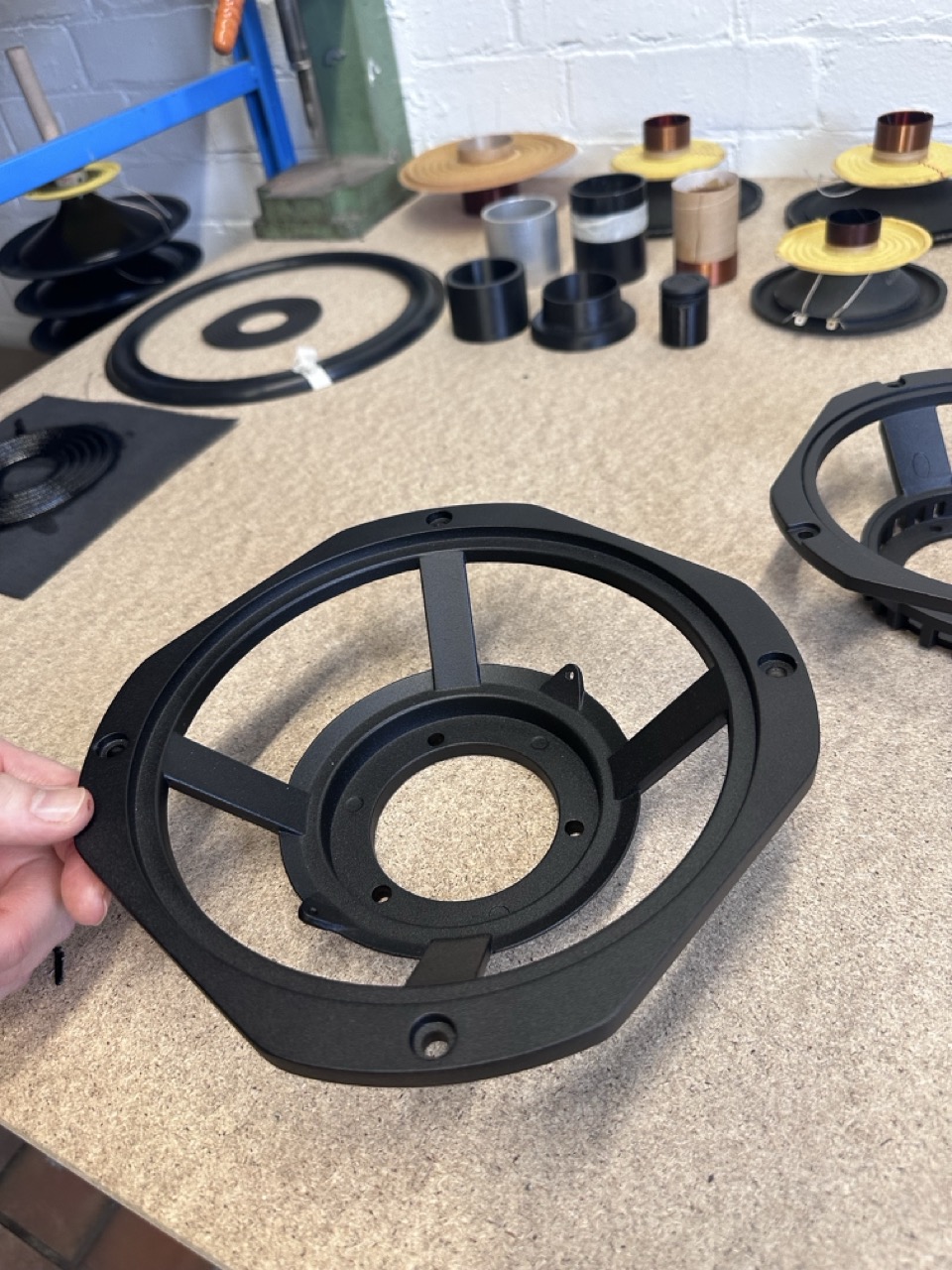
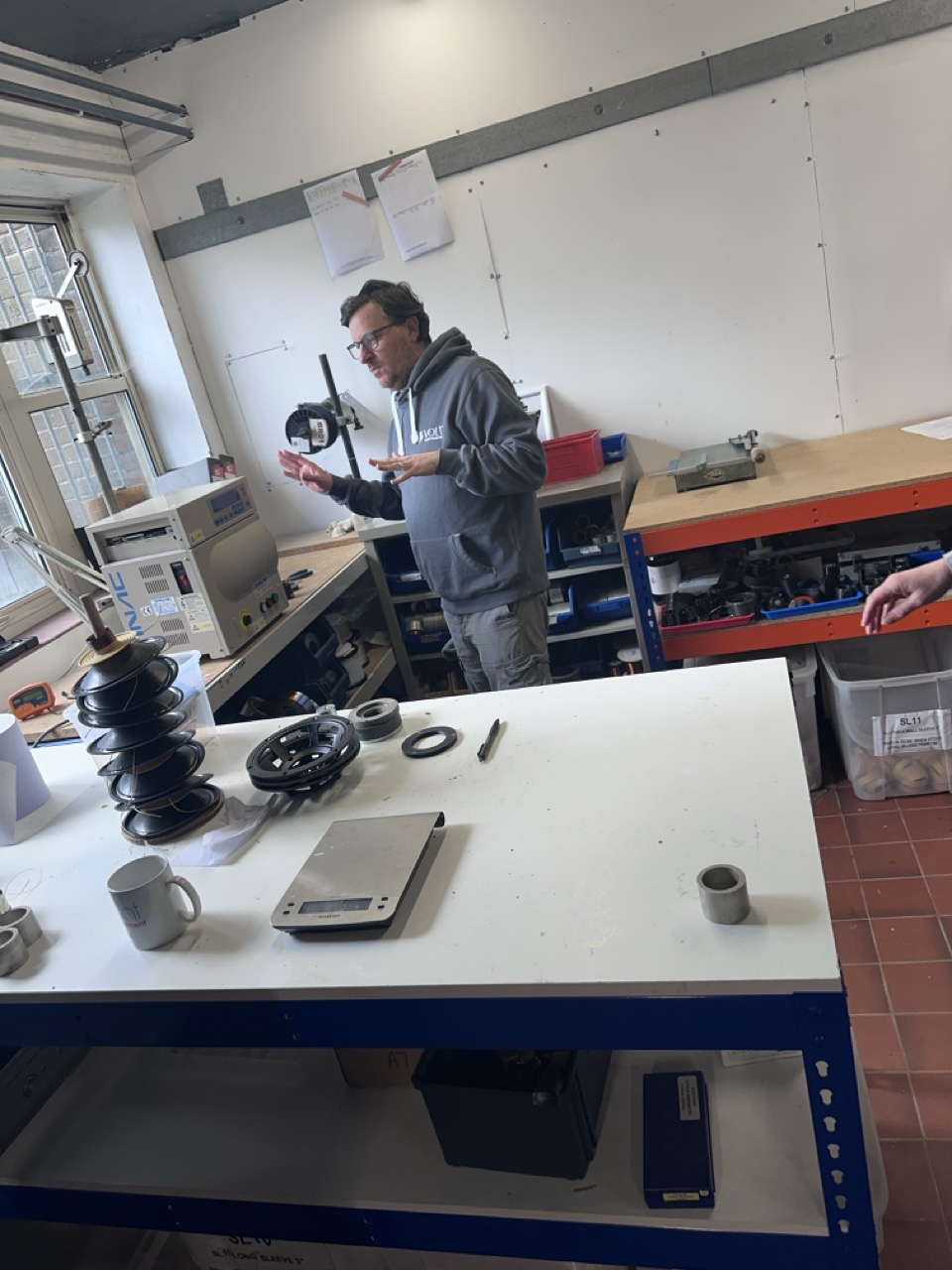
Line up of paper cones and rubber surrounds ready for glueing.
We have been stockists of Volt Loudspeakers for over 18 months, and they have proved incredibly popular. Founded in 1978, Volt manufactures high-end drive units used by companies such as PMC, ProAc and Kerr Acoustics, to name just a few.
I thought it was about time we paid them a visit. So recently, Cathy (my partner) and I set off on a road trip, driving three and a half hours to see them in person.
We arrived shortly after lunch at their premises on Rampisham Down, just as the mist was rolling in. Their building was once the transmitter station for the BBC World Service — a magnificent structure sitting high on the Downs, now known as the Rampisham Business Centre.
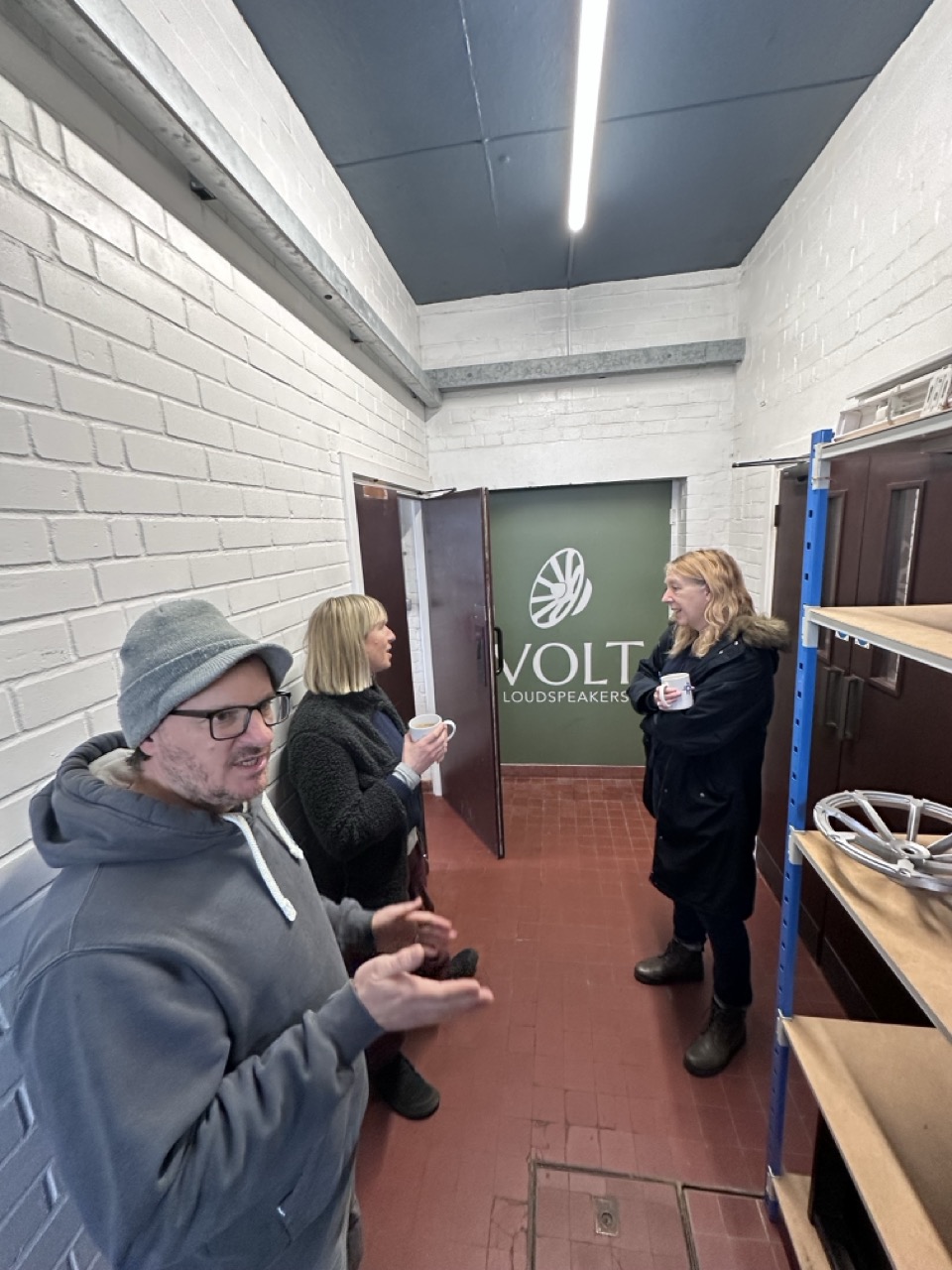
We were warmly greeted by Cat Lyth, who leads Volt, focusing on business development, and her husband, Steve Nichamin, who is in charge of engineering, and then given a tour of their operation.
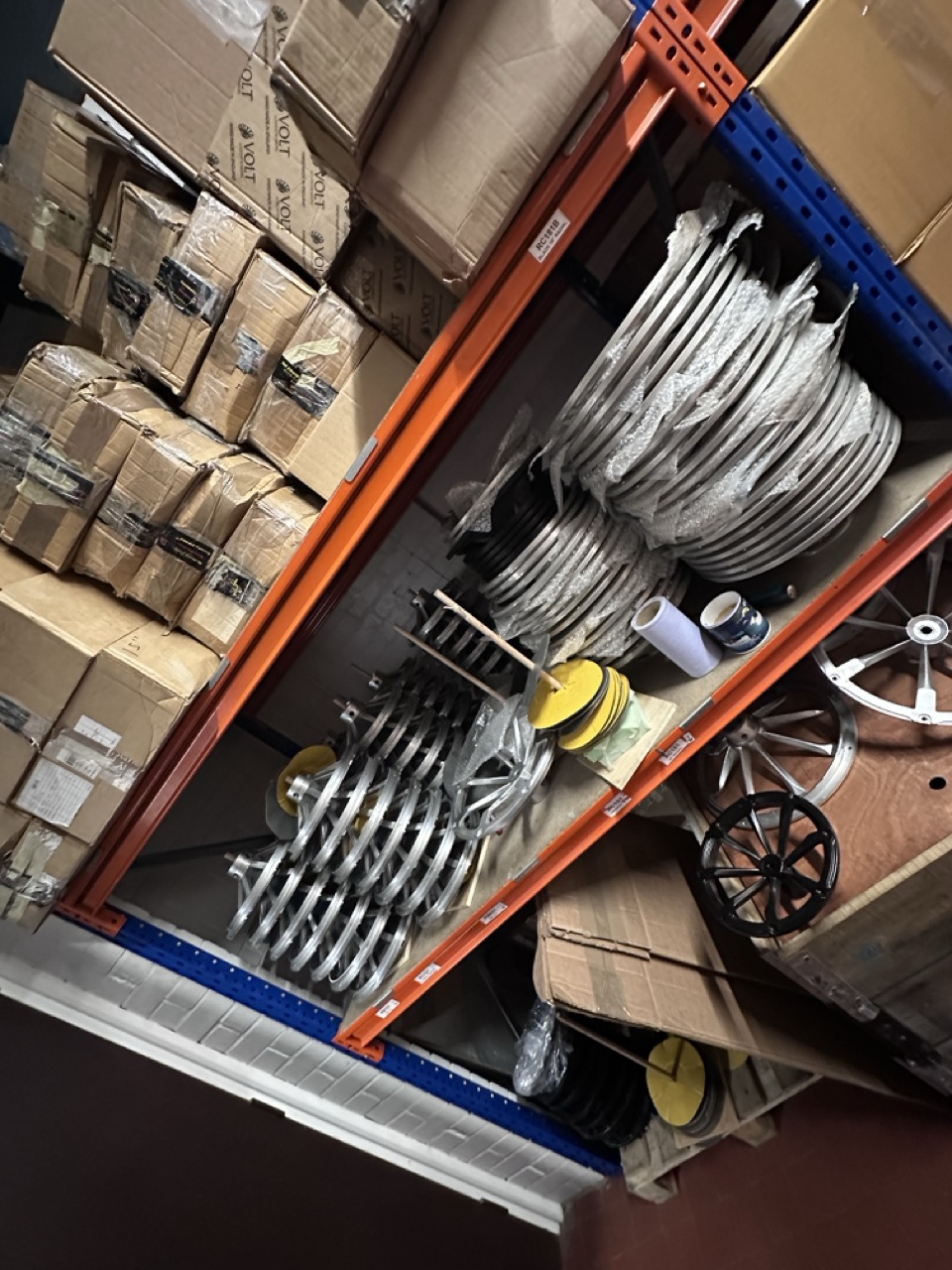
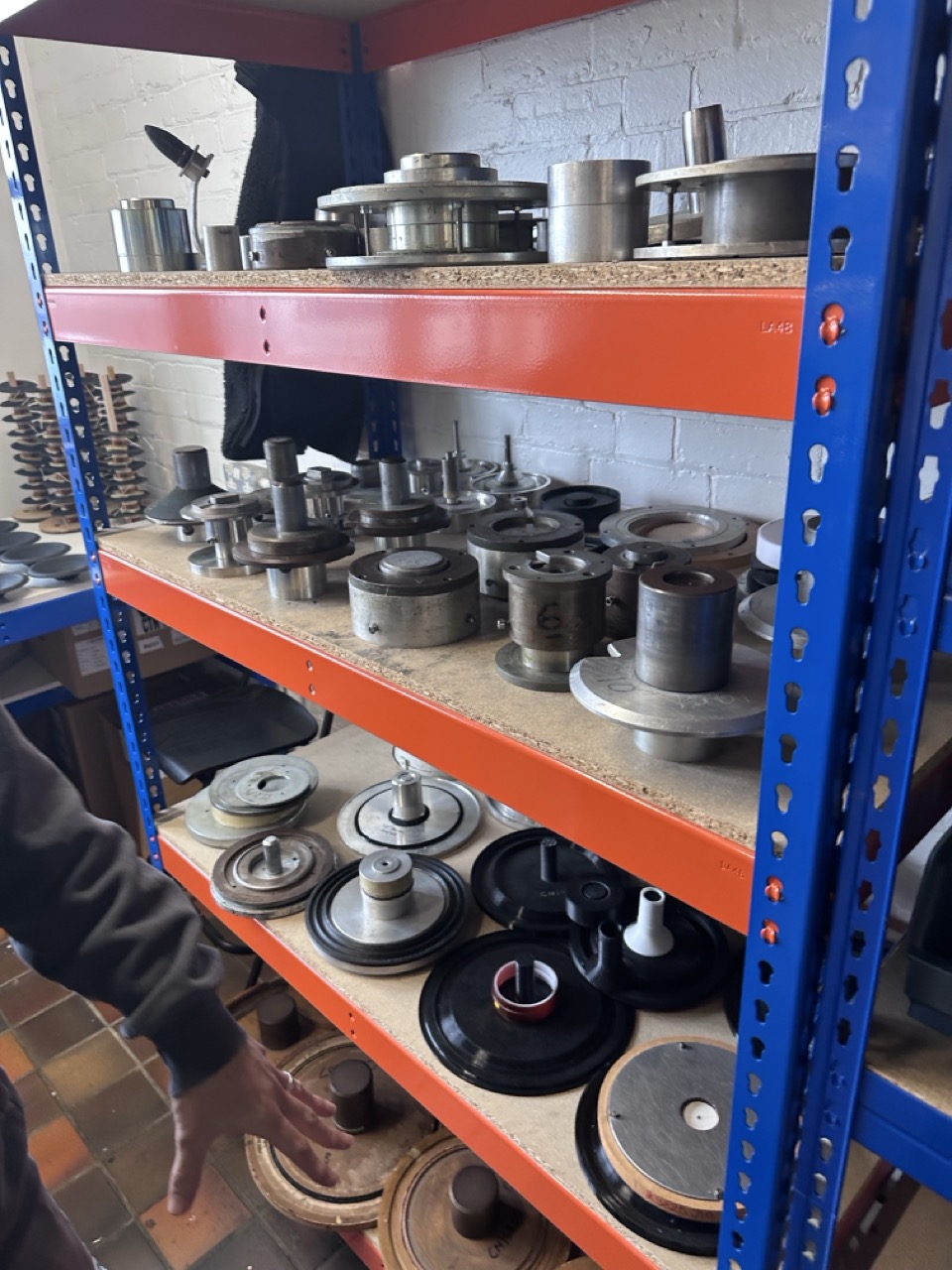
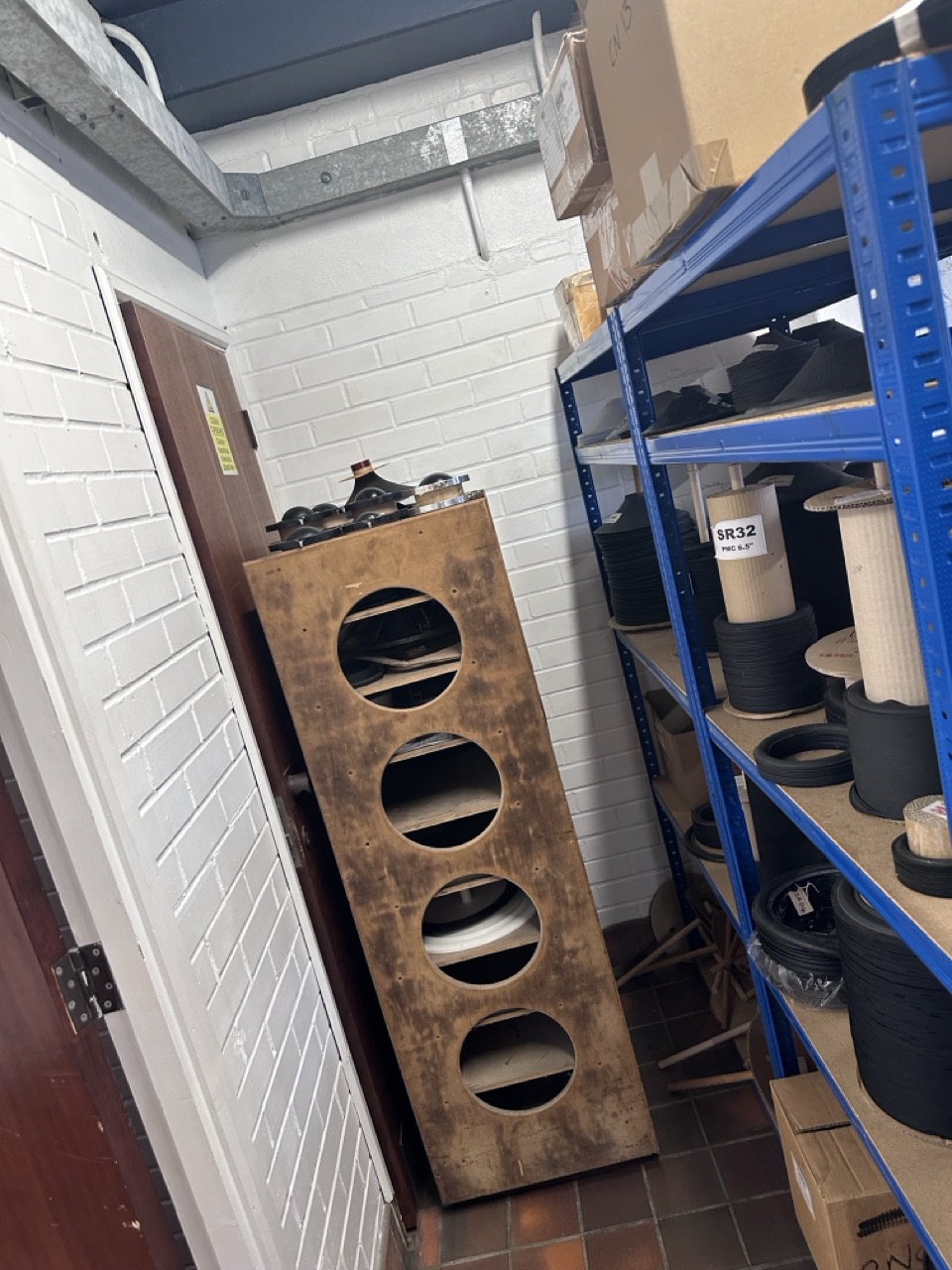
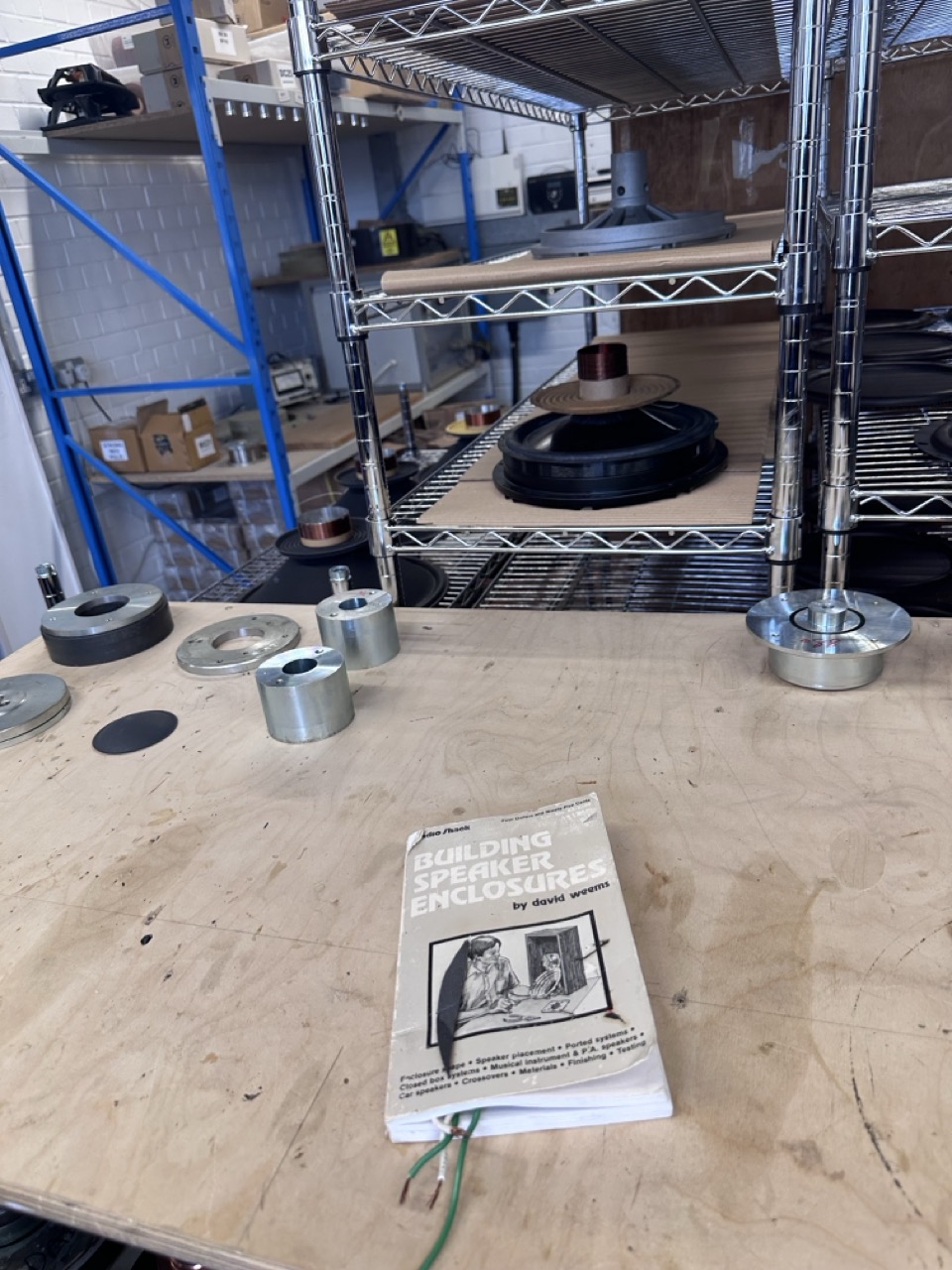
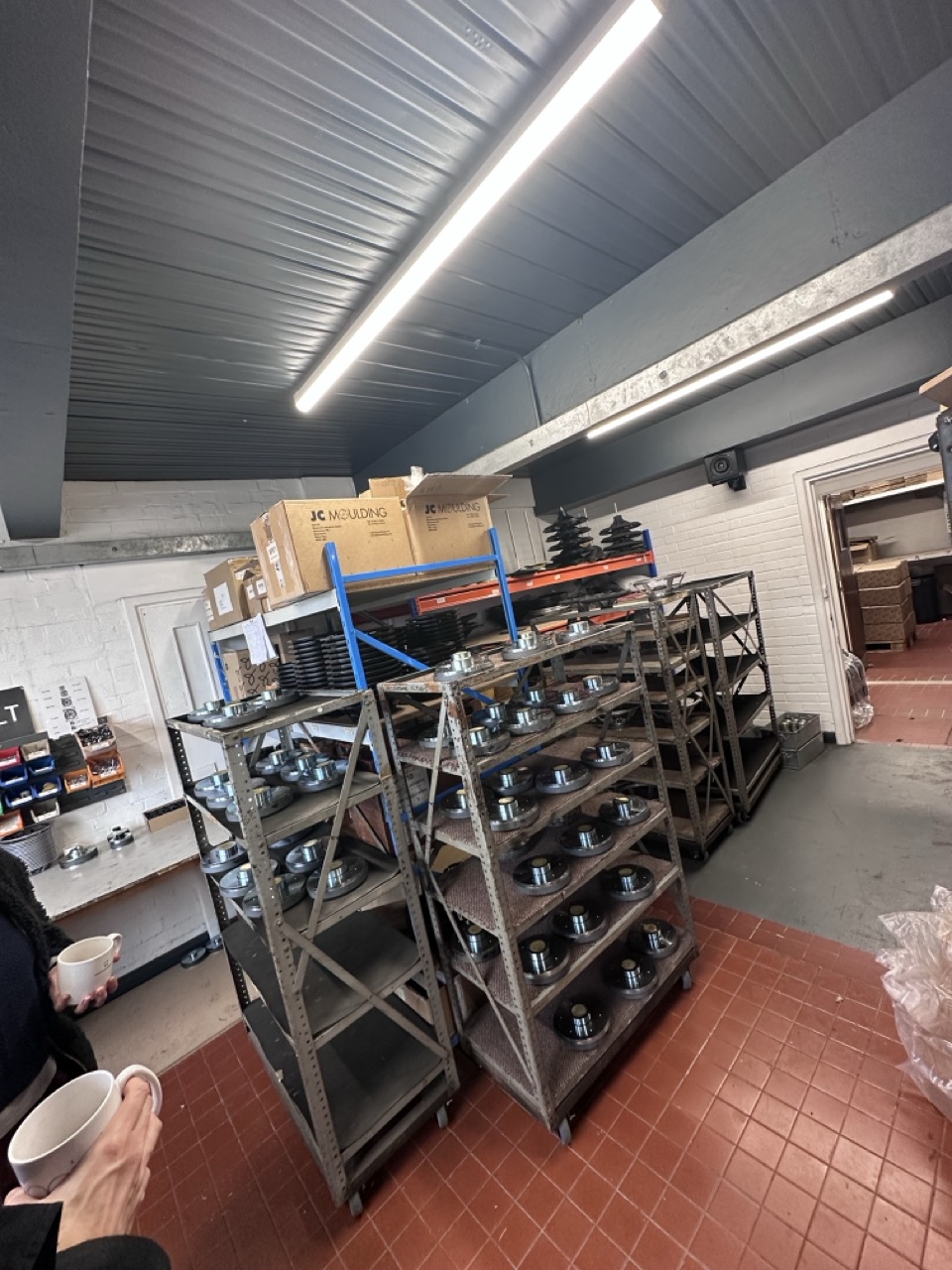
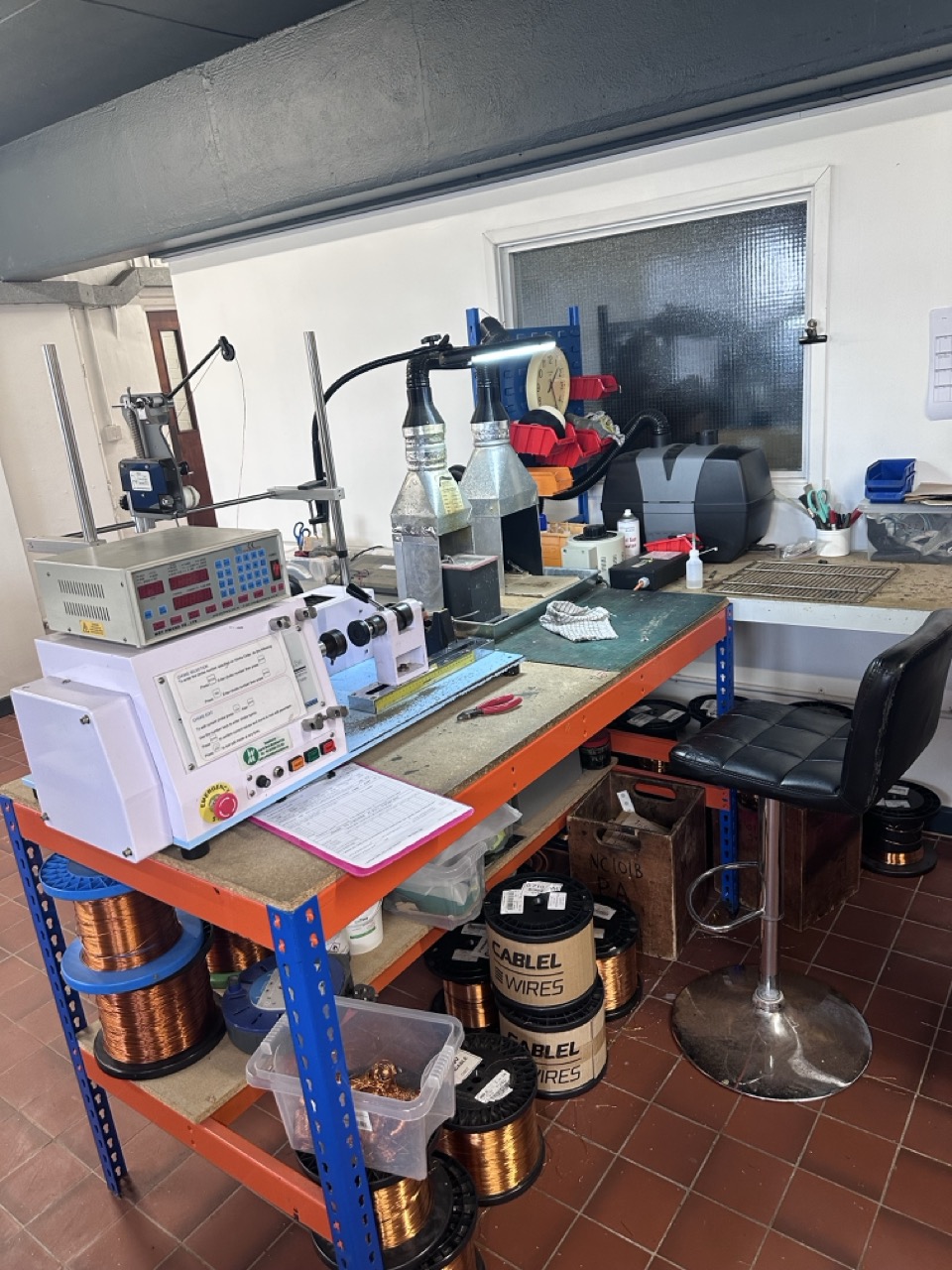
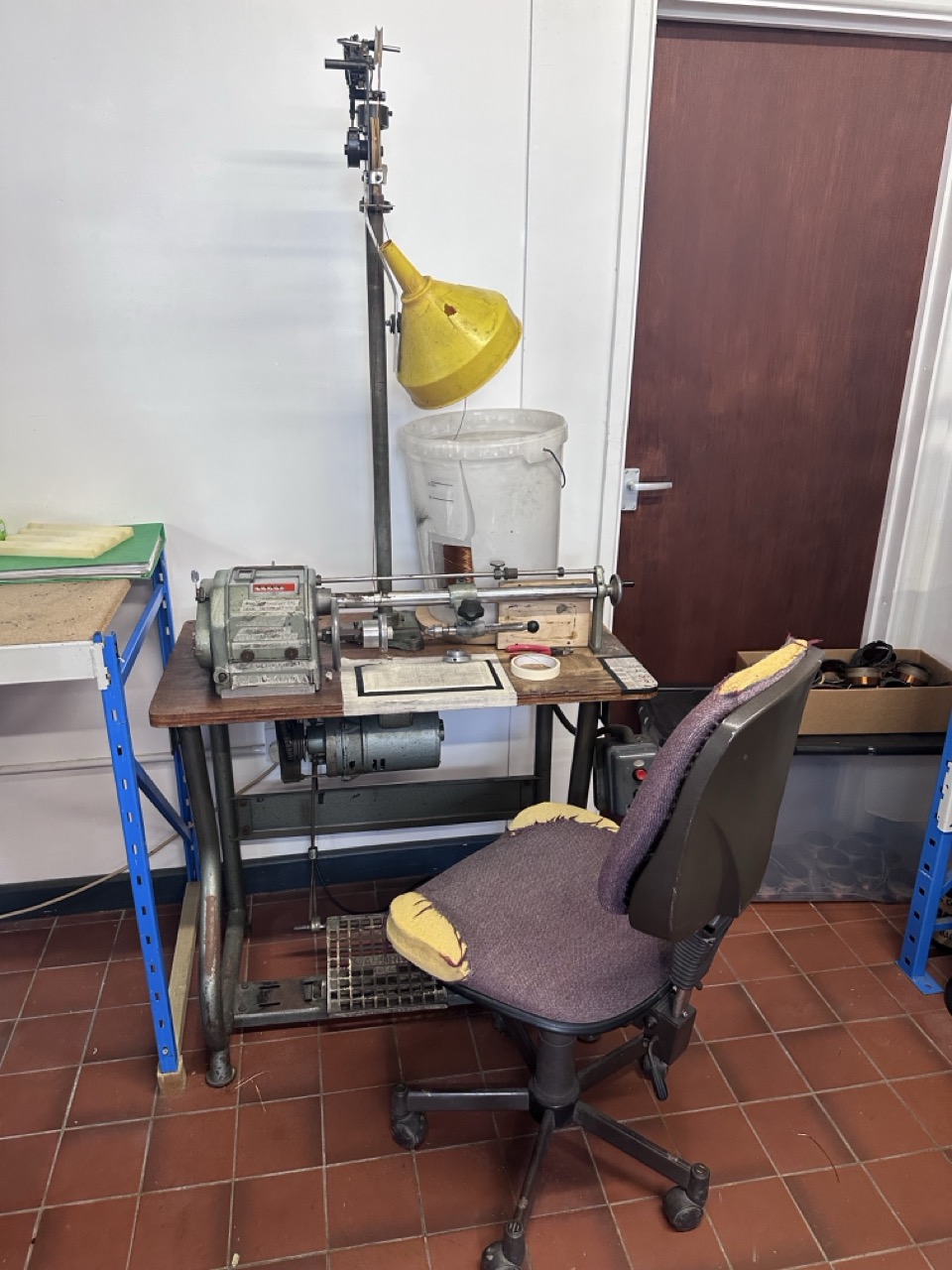
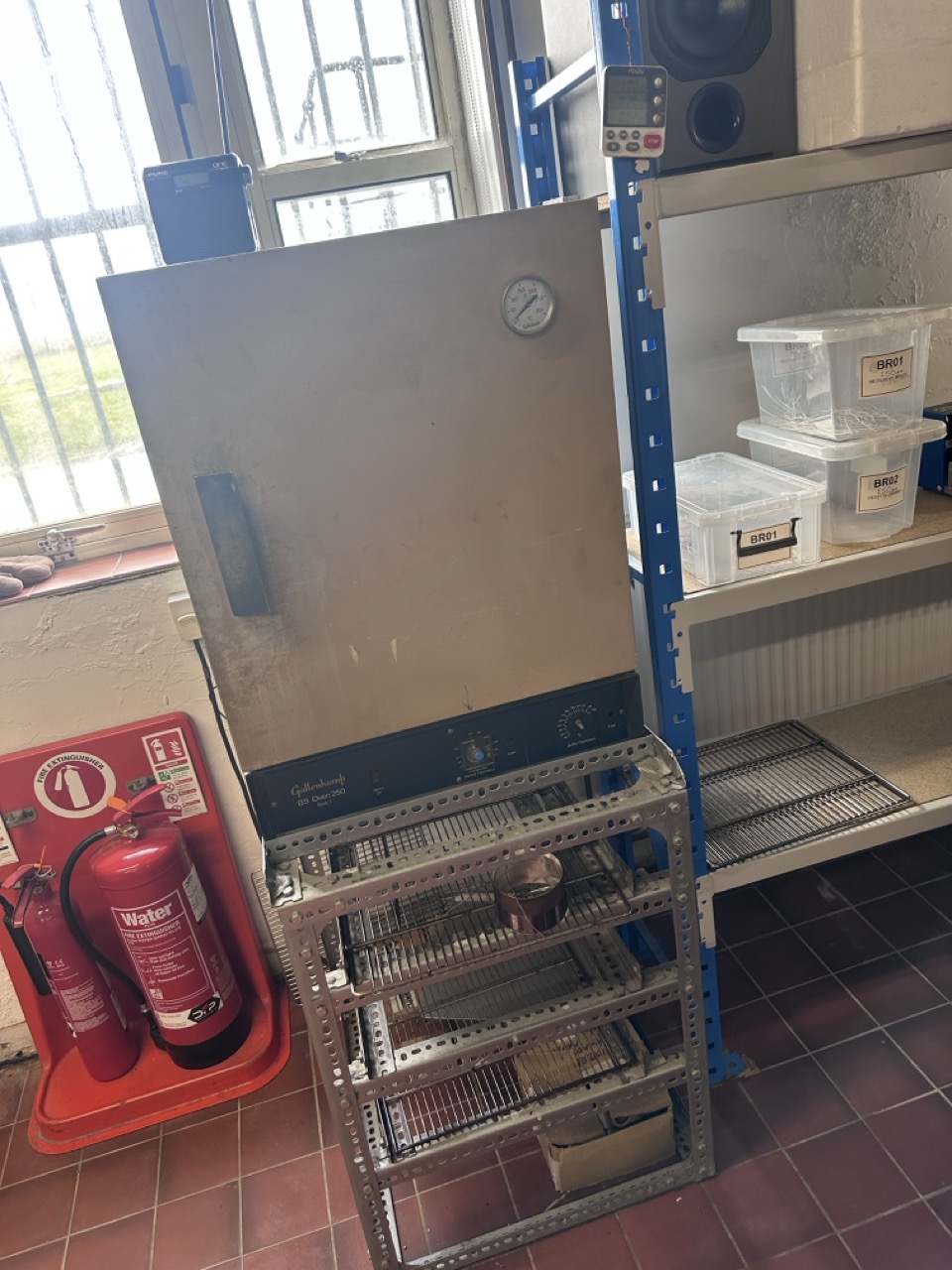
As the pictures show, their workshop is divided into a series of rooms that follow the sequence of manufacture. It begins with what they call the “software” stage, where all the soft components are assembled. The cones are carefully aligned and glued to the rubber surrounds, which are then attached to the spider and the voice coils (made in-house). Strict procedures are followed, with various jigs used to ensure perfect alignment and proper curing of the adhesives.
The “hardware” stage is where the motor structure is assembled. The bottom plate and pole piece are bonded to the permanent magnet, and the various components are brought together on the basket.
Electrical connections are made using flexible wires threaded through the cone and soldered to the voice-coil leads. These are then connected to the terminal strips mounted on the basket.
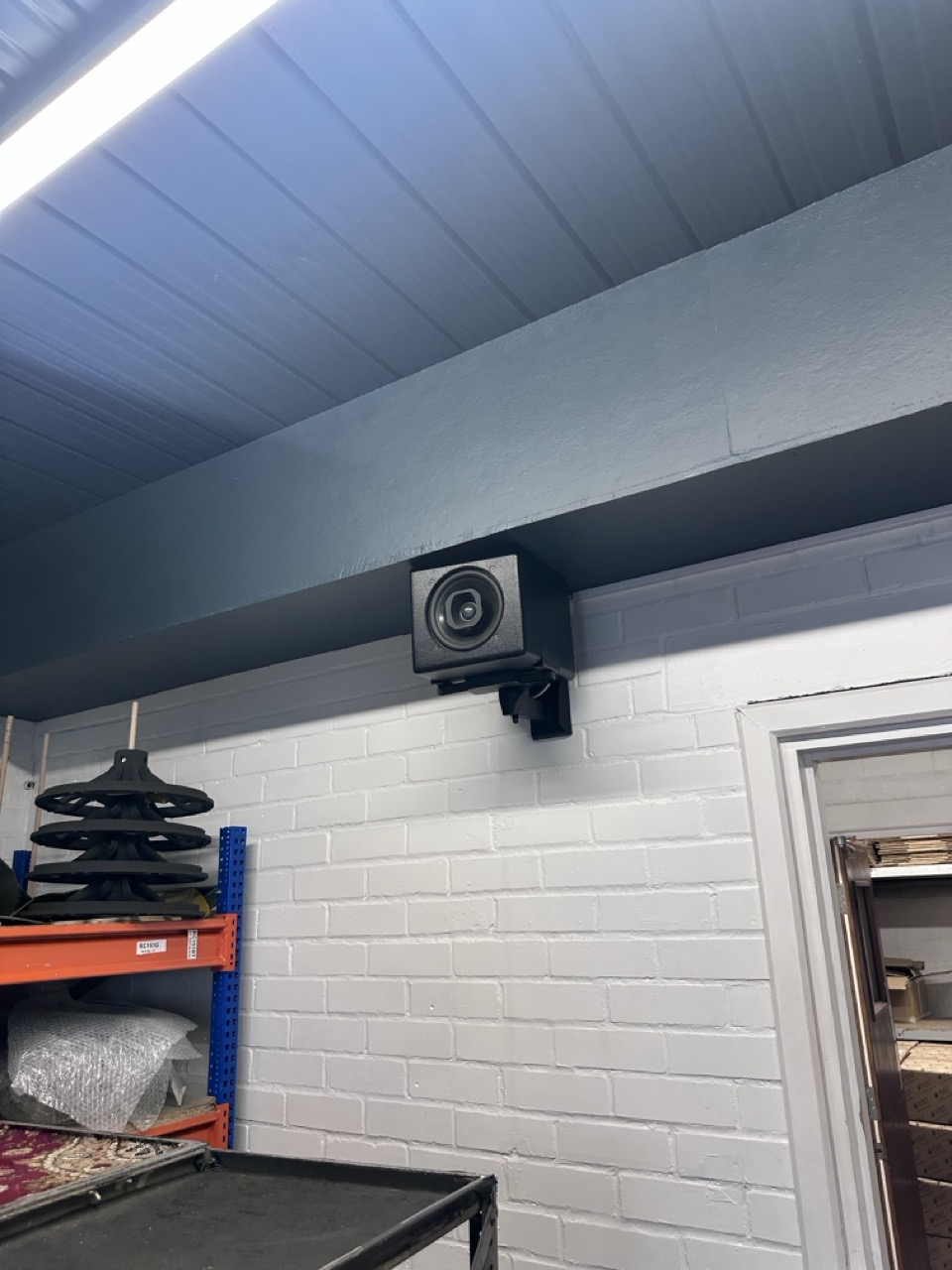
Finally, the dust cap is fitted to prevent debris from entering the voice coil, and the drive unit is left to cure. Volt then subjects each driver to rigorous testing in a dedicated room, where a frequency sweep is played through the unit and the results carefully analysed.
I should note that the process described above relates primarily to the manufacture of their subwoofer and bass drivers. Volt also produces large dome midrange units, which follow a slightly different build process.
Everything about the tour made sense — the layout, the sequence, and the logic behind each stage. It was fascinating to see. Steve’s engineering background is evident everywhere, with countless purpose-built rigs and tools designed to make the process more efficient and precise.
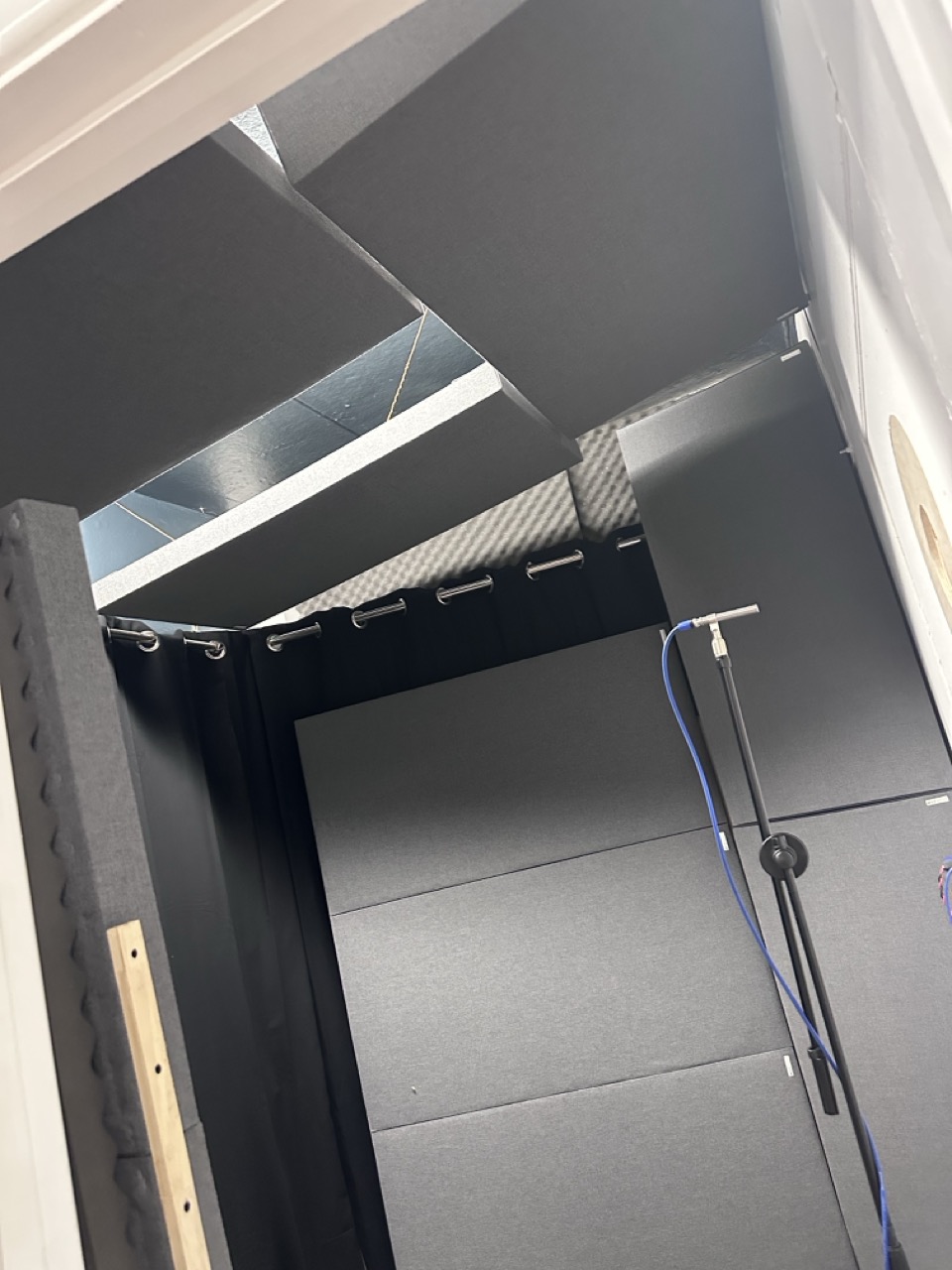
They have even constructed a small testing room with anechoic chamber properties. Combined with their Klippel measurement system, this gives them excellent capabilities for detailed analysis.
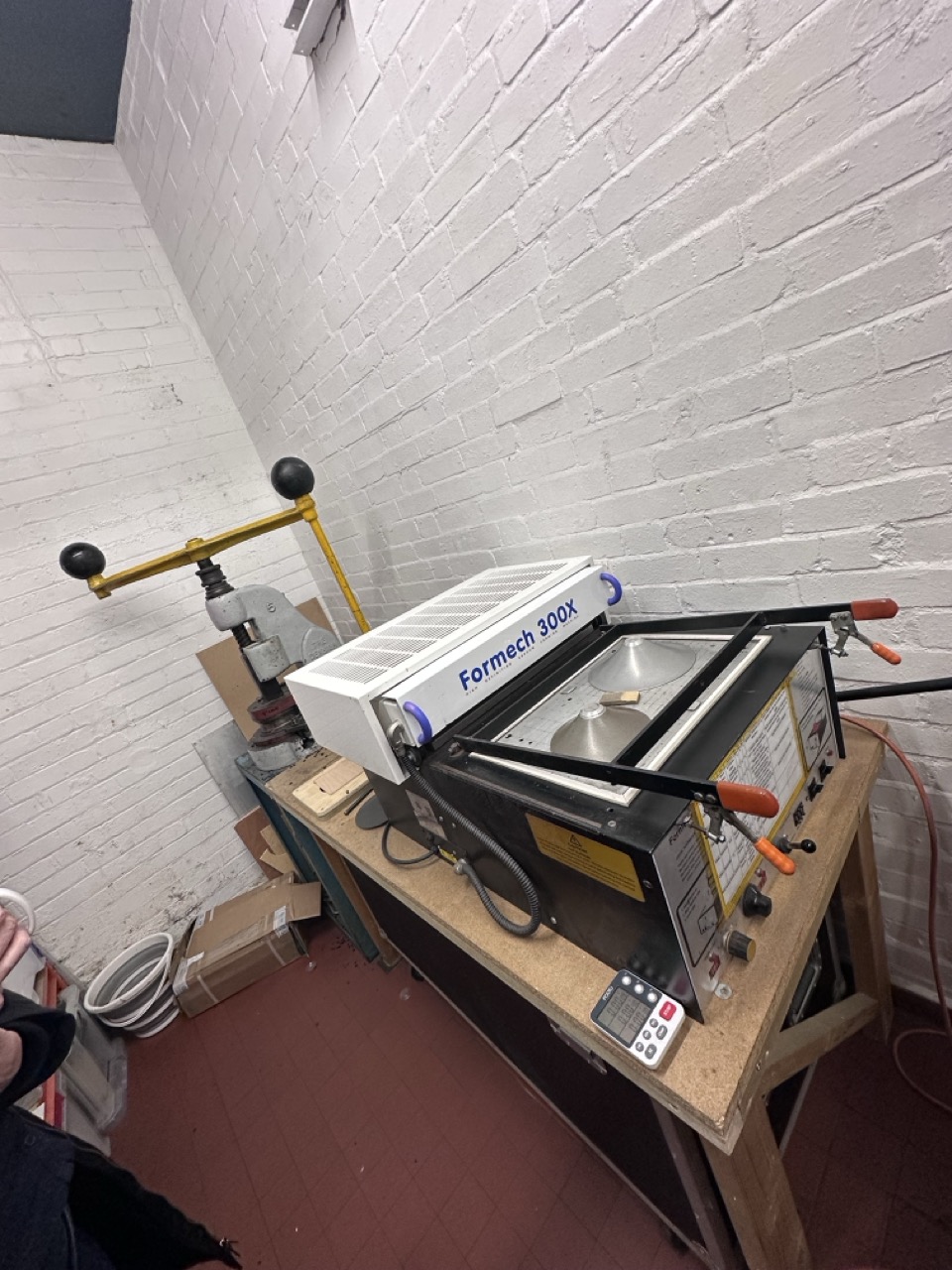
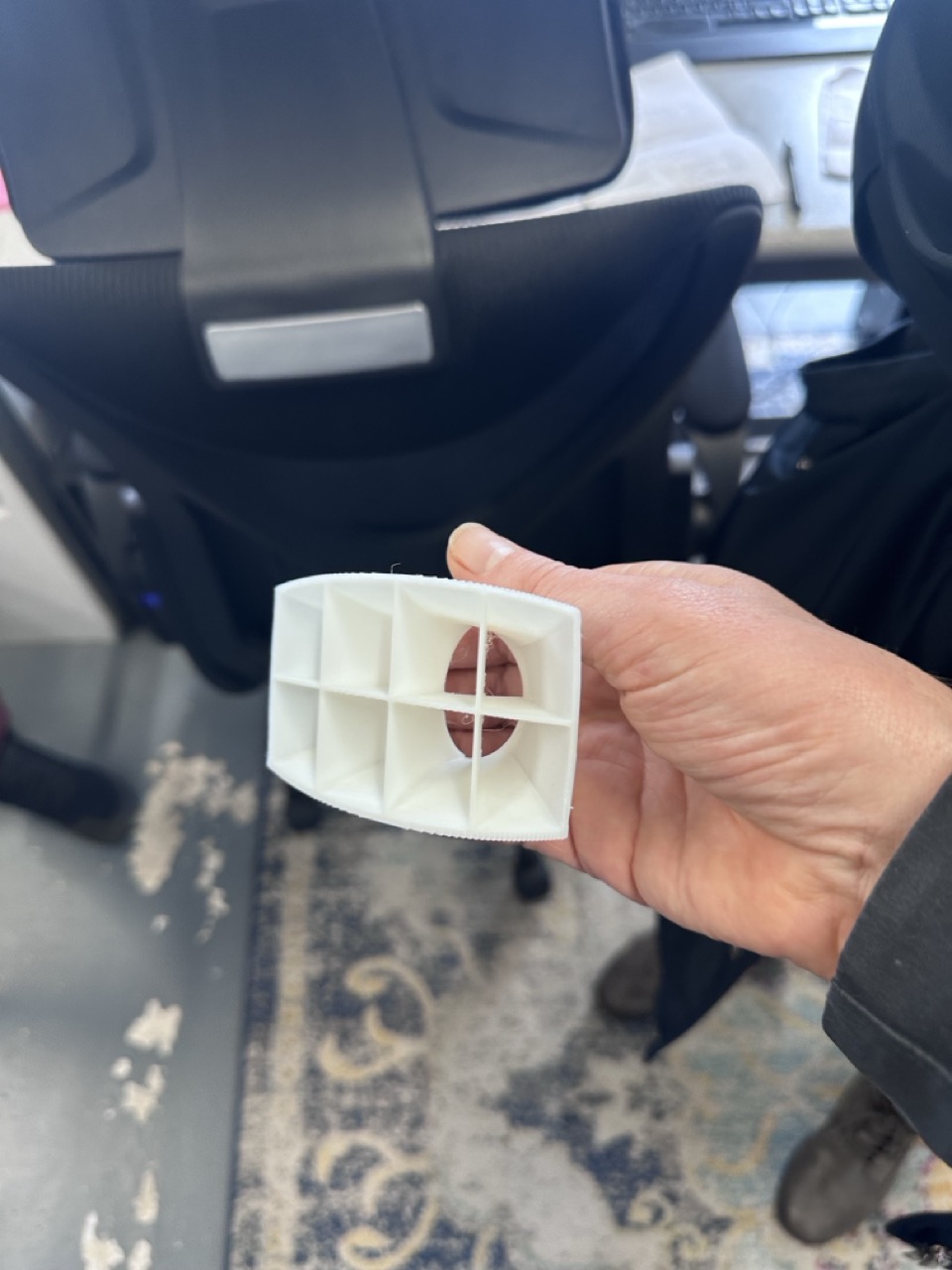
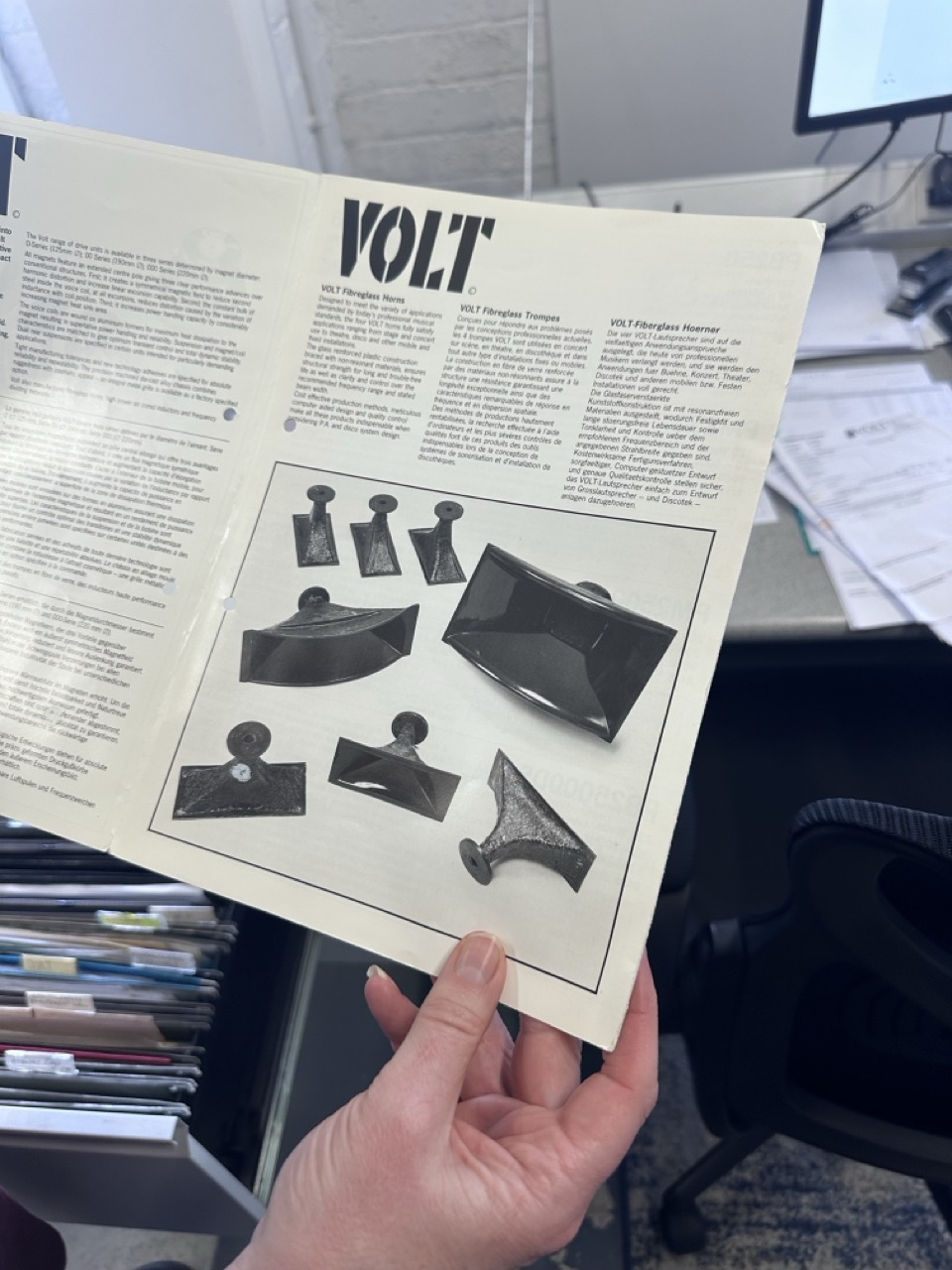
In addition, they have a vacuum-forming machine for producing plastic cones and other components. Steve is also highly skilled with 3D printing, allowing him to produce complete baskets and other prototypes to quickly evaluate new ideas. We’re hoping to take advantage of this expertise to develop some flared horns for a project we’re currently working on.
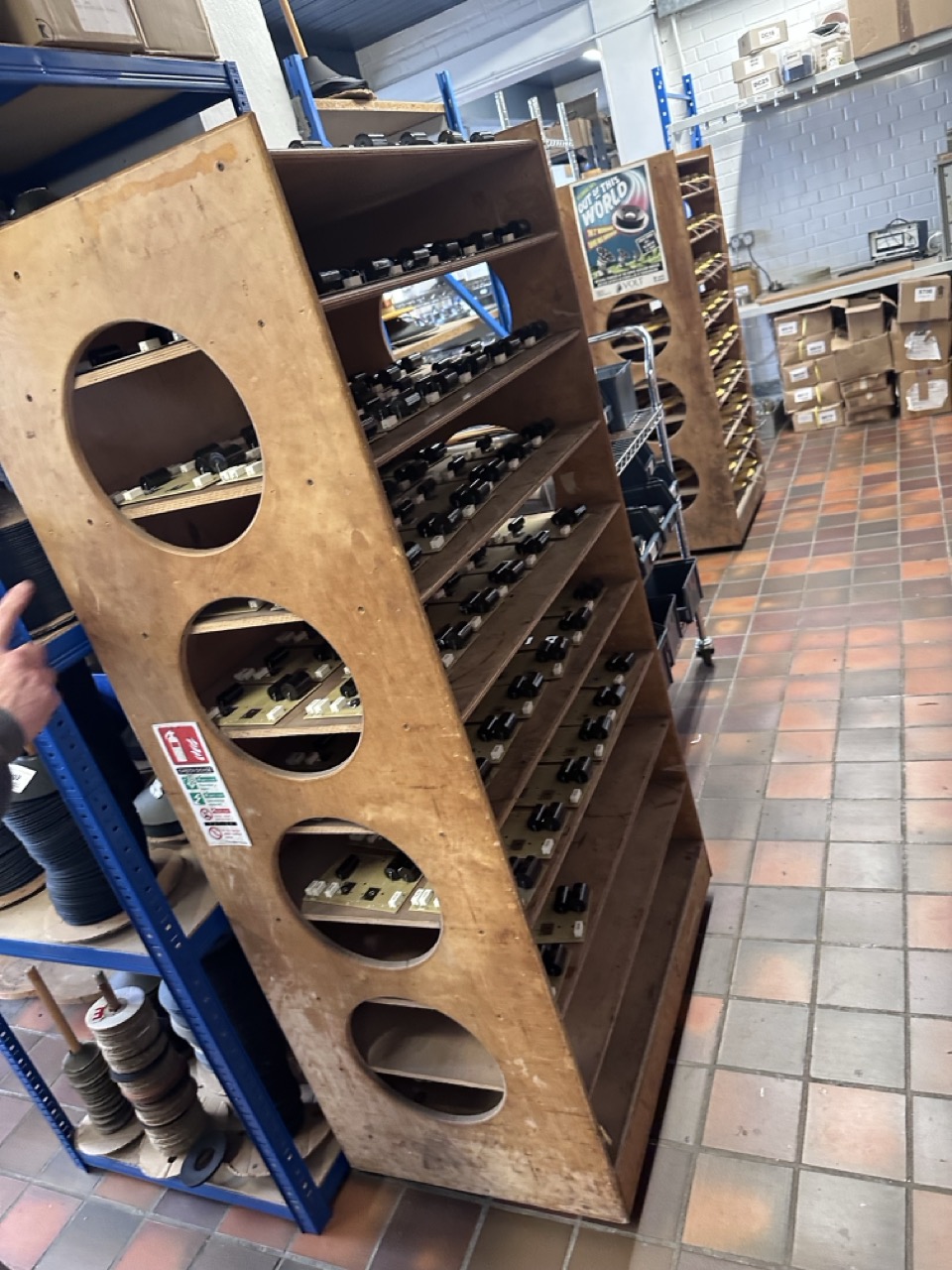
Volt also has facilities for winding inductors and assembling crossover printed circuit boards.
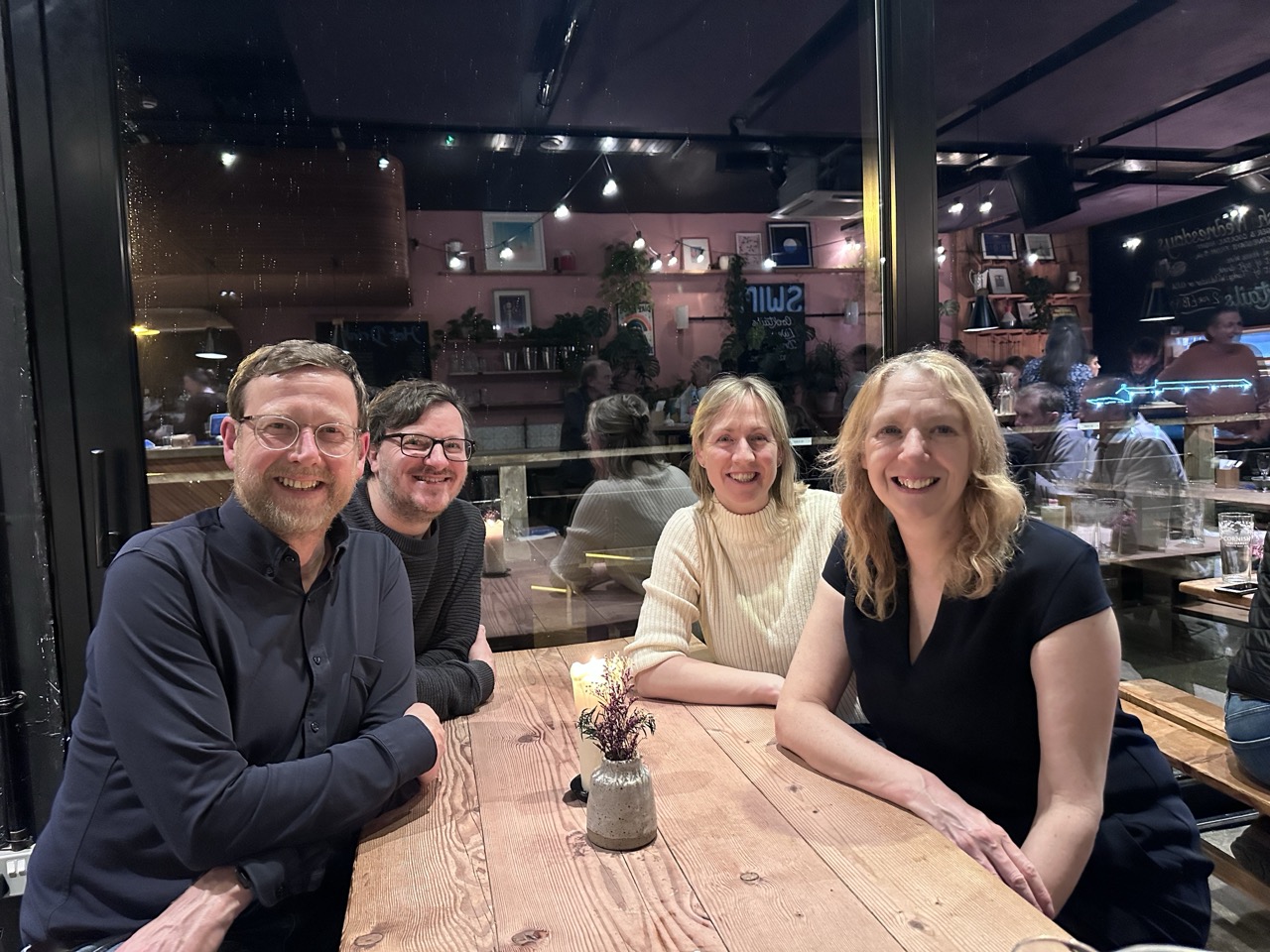
After the excellent tour, we said our goodbyes and headed down the road to Lyme Regis, where we had booked a small apartment for the night. That evening we met up again with Cat and Steve for dinner at Swim, before finding a brilliant cocktail bar and laughing the night away.
Despite the late evening, we still managed to get up in time for the Seaton Parkrun before making the journey home.
Our visit to Volt was a fantastic experience — British engineering at its best. A great company, and Cat and Steve were the perfect hosts.
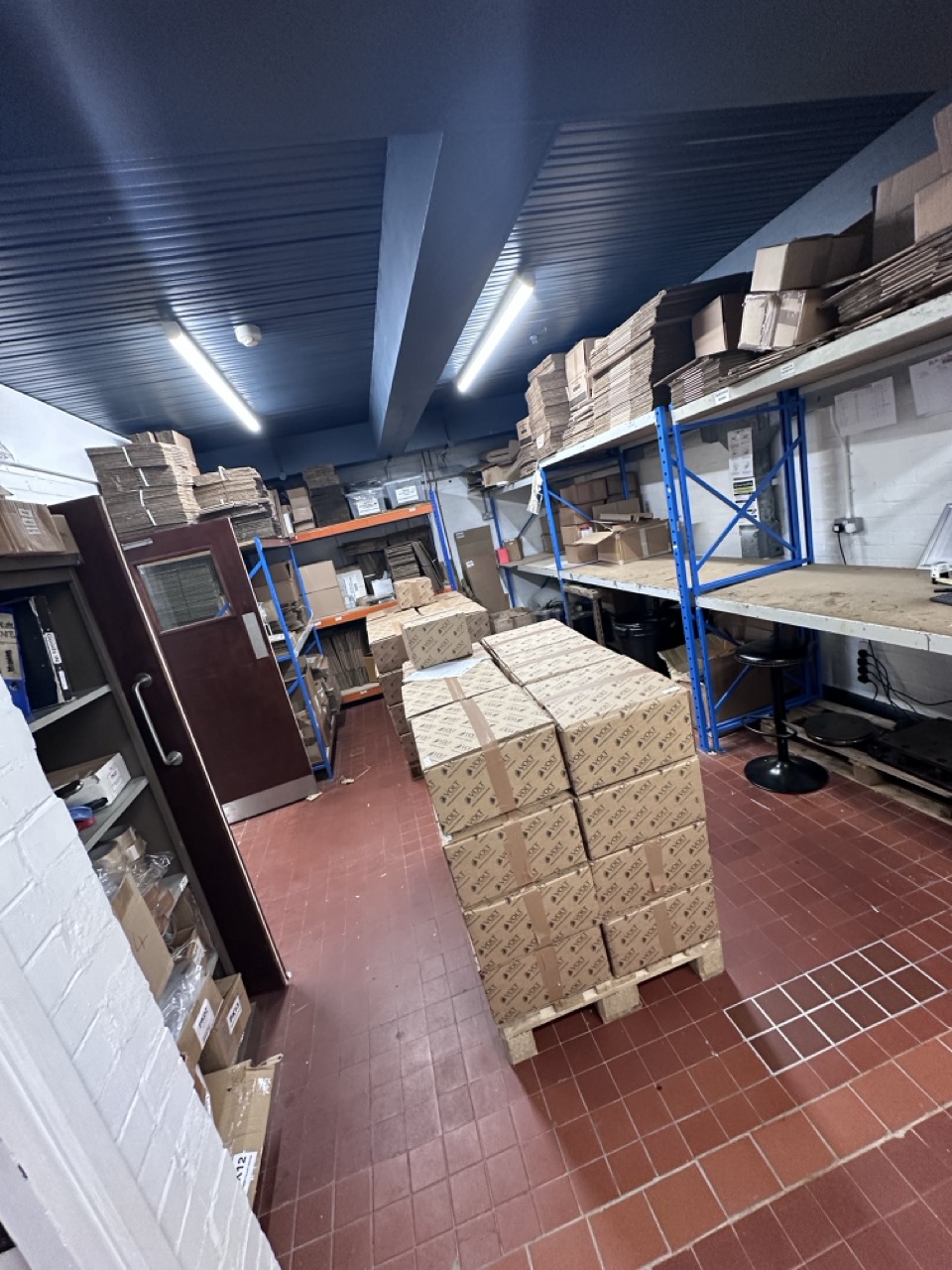
See the images below showing our tour of the factory.